Table Of Content
It’s a multi-step process that may involve game design and writing, concept art, models, rigs, animations, renders, and more. Perhaps you’re part of a large team where each task is covered by a different team, or perhaps you’re an indie studio taking full control. Professionals in the field often use software such as Blender, which is known for its versatility and open source nature. In addition, game engines such as Unity and Unreal Engine provide robust platforms for creating, animating and rendering complex 3D environments with dynamic lighting and interactivity. Finally, the 3D environment artist moves on to the final stage, which is rendering. This involves using specialized software to create high-quality images and videos of the environment.
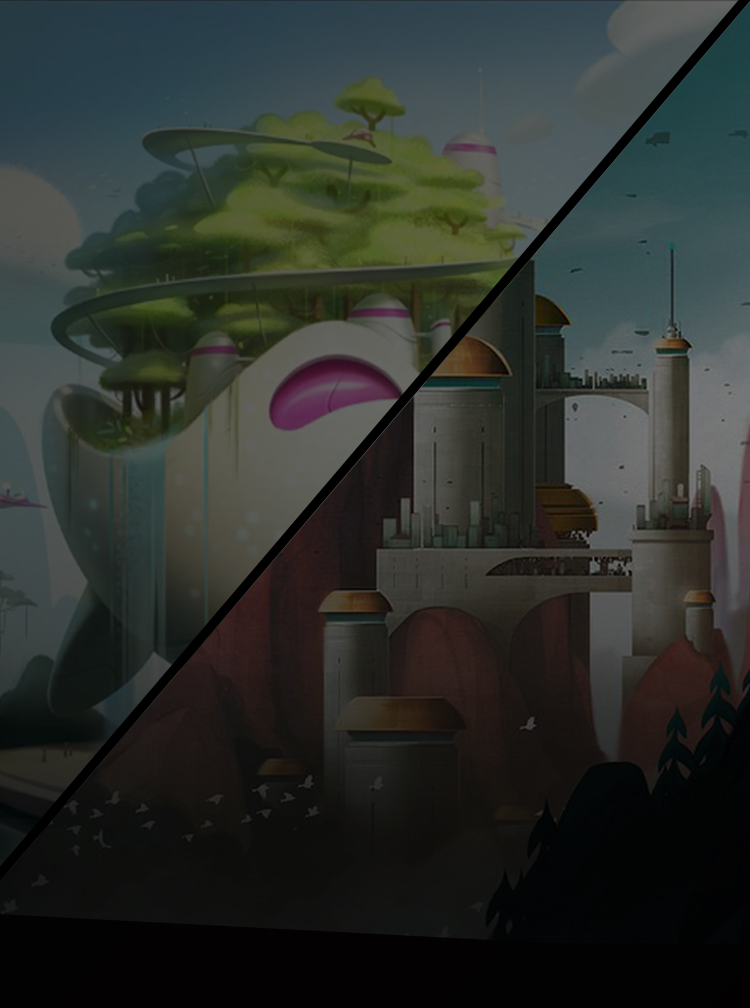
Environment Illustration – Part 1 – Inspiration, Blockout, and Tools
Concept design lays the foundation for the visual direction of the environments. The art director provides overall direction for the environment art team, working closely with everyone to maintain the artistic vision and style, provide feedback, and make final decisions. The ambiance the environment creates sets the tone of the project and its visual identity. It’s the little details in the environment that make the story more believable, whether it’s an exotic plant or beautiful architecture. Employees are looking for a place that gives them a sense of purpose and belonging, where their ideas and values align with their employer.
Take your skills to the next level
An environmental designer specializes in creating and implementing design solutions that integrate human activities with the natural environment. This multidisciplinary field involves considering the impact of human-made structures, landscapes, and systems on the ecological balance and sustainability of a given space. In short, environment artists are the architects of the digital worlds that players explore in video games. Their work is essential to creating immersive and engaging gameplay experiences that keep players coming back for more. It isn’t merely a question of a few simple, intuitive moves like shading a south-facing northern hemisphere facade in summer, and protecting a north-facing northern hemisphere facade in winter, though it’s astonishing how even this is beyond many. The more complex a space and program, the more complex the physical interactions taking place both within it and between the interior and the exterior.
Environmental Designer
In addition to technical skills, a successful 3D environment artist must also possess a strong sense of creativity and imagination, as they are responsible for visualizing and bringing to life the game’s world. This role requires high attention to detail and the ability to collaborate effectively with other development team members. Life Cycle Analysis (LCA) is a tool used to understand the how a product impacts the environment at each stage of its life cycle, from raw input to the end of the products' life cycle. For example, LCA might reveal that the fabrication stage of a product's life cycle is particularly harmful for the environment and switching to a different material can drive emissions down. However, switching material may increase environmental effects later in a products life time; LCA takes into account the whole life cycle of a product and can alert designers to the many impacts of a product, which is why LCA is important.
SUSTAINABLE URBAN DESIGN SUMMIT 2023 - University of Michigan School for Environment and Sustainability
SUSTAINABLE URBAN DESIGN SUMMIT 2023.
Posted: Thu, 09 Nov 2023 08:00:00 GMT [source]
The range of strategies and architectures is enormous, between firms and sometimes within firms, as they respond to different cultural and environmental contexts. Some designers follow environmental thinking to its logical conclusions; others don’t; some do it sometimes, and sometimes not. Up until now, you’ve learned what environmental graphic design is and what kinds of EGD currently exist. You have the necessary pieces; now, it’s also important to know how to put them together. Interactive media has been rising in popularity with the ease of designing real-time experiences.
Enote has continued this ancient garden design, creating rows of sunken squares surrounded by adobe walls that catch and hold water like pools of syrup in a massive earthen waffle. The sustainable design protects crops from wind, reduces erosion and conserves water. You may think that you control most of your choices, but the truth is that a large portion of your actions every day are simply a response to the environment design around you. The forms you are mailed, the food on your kitchen counter, the items on your desk at work — they all impact your behavior in one way or another.
Bibliographic and Citation Tools
Radiance is a “physically based lighting simulation program” that demonstrates the quality and intensity of daylight in any part of any building over a day or a year. Ecotect is a “3-D modeling interface fully integrated with acoustic, thermal, lighting, solar, and cost functions” that supports conceptual as well as final design. The point is that environmental design doesn’t rule out complexity of form or program. A repositioning of material culture opens up new practices as it shuts down others.
Looking for game development assistance?
Knowing how to build is a matter of science and technology but knowing what to build is a question of morality, ethics, and aesthetic responsibility. In this regard the faculty shares a commitment to the stewardship of our environment. This is particularly important in the Northern Rockies where our historic fabric of cities, rural communities and the natural landscape coexist in a tenuous balance. Focusing on the broad principles of creating a sustainable social, cultural, economic and physical environment we utilize the region, from its major cities to its national parks, as the canvas for our teaching, research and creative activities.
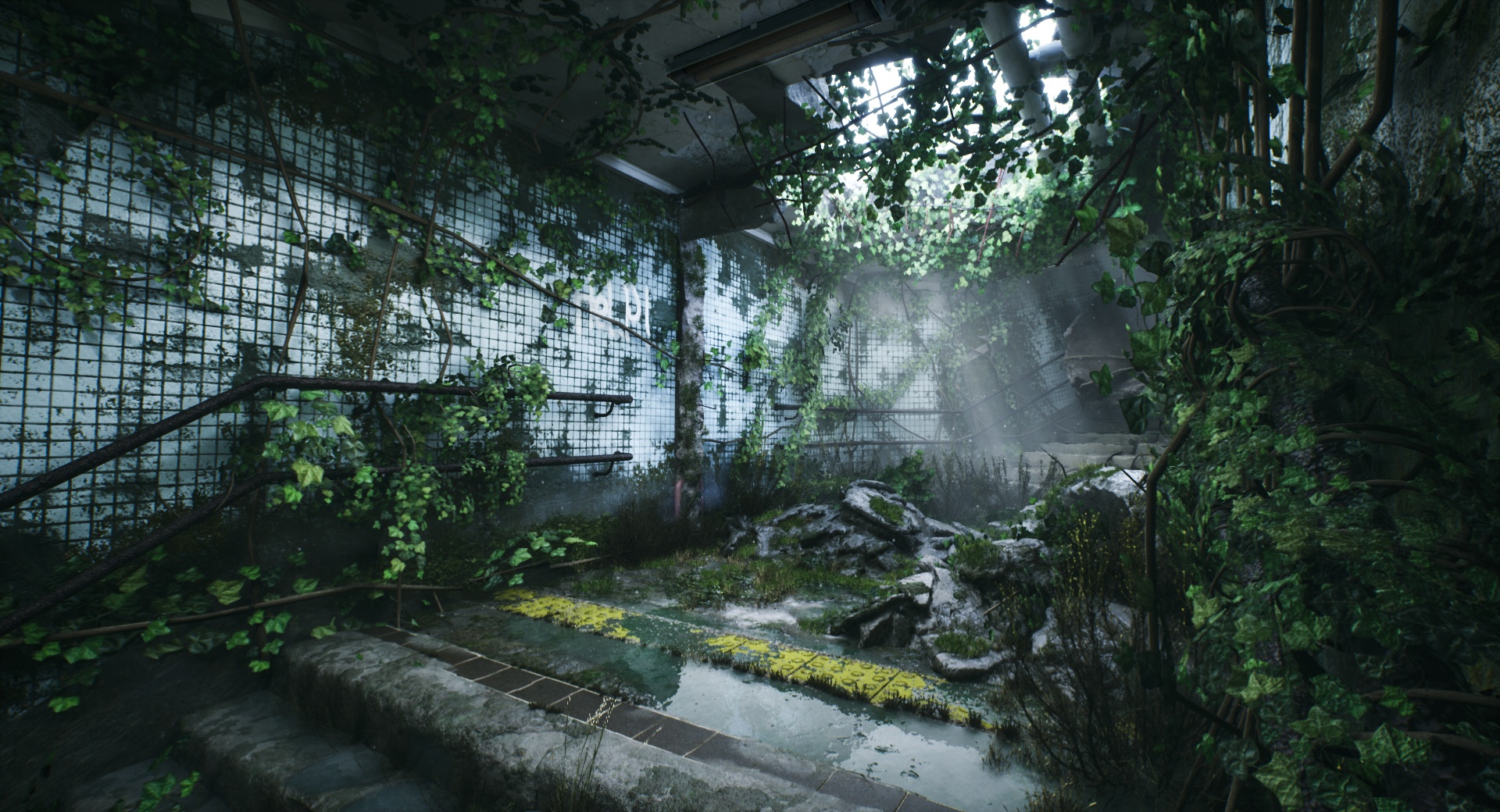
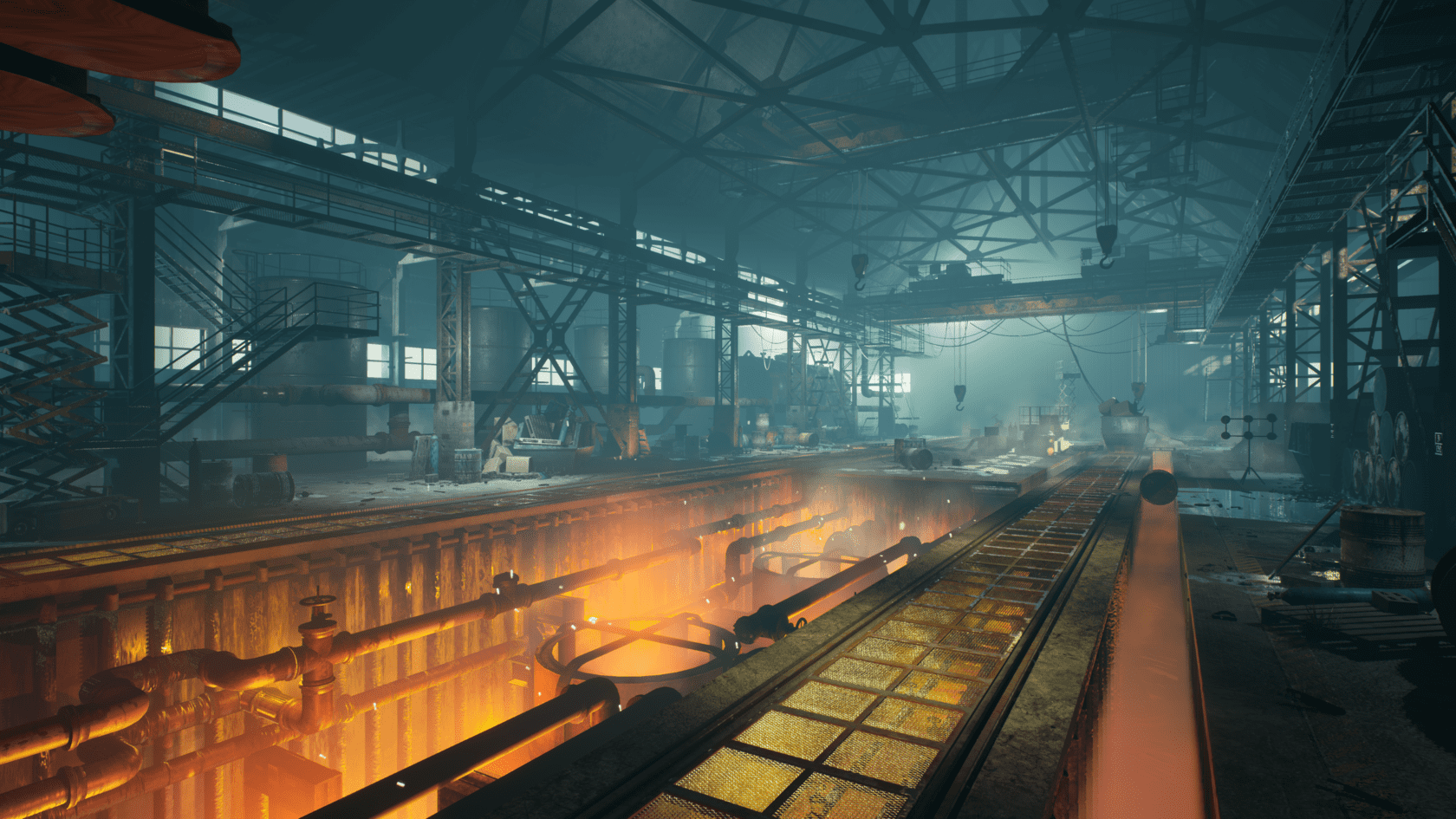
How 3D Environments in Video Games are Made?
To enhance the design process, we created a unique programming experience for our clients. A large part of our design process involves the use of physical study models. These models serve as a communication tool so that client and architect can understand the ideas, forms, and spatial relationships on the same level. While Sage Architecture does not espouse a particular signature style, our designs tend toward modern, clean and simple lines – architecture that has clarity and a distinct connection between indoor and outdoor space. We believe that modern architecture lends itself well to a variety of site conditions, and enables greater flexibility in design. As Northern California architects, we like to take full advantage of the region’s temperate climate, particularly as a component of our Green design approach.
However, pioneering artists and developers laid the foundation for what would become a flourishing field. They created basic 3D models and environments using simple shapes and textures, often with limited interactivity. Once the concept is established, a detailed 3D model of the environment is created using specialized software like Autodesk Maya or Blender. This model includes elements such as terrain, buildings, and props, forming the foundation of the virtual space. Environmental design and planning is the moniker used by several Ph.D. programs that take a multidisciplinary approach to the built environment.
That’s where environmental graphic design comes in – helping make environmental design easier, visually pleasing, and efficient. Through a multi-step process encompassing the whole animation pipeline from pre-production to post-prod, environment artists play a central role in setting the atmosphere and realism of the scenes. In its simplest form, environmental graphic design is an extension of your brand experience through the design of interior and exterior spaces. It’s a way to bring very tangible form to how people experience your brand.
As architects, we strive to play an essential and innovative role in enhancing the human condition. To that end, we teach and practice a moral, ethical and aesthetic responsibility to society and the natural world in the design of the built environment. Fieldwork is often an integral part of an environmental designer's workplace, involving site visits to assess terrain, vegetation, and other natural features. This hands-on approach allows them to gather critical data and gain firsthand insights into the unique aspects of each project. Additionally, environmental designers may engage in community meetings, workshops, or public consultations to understand the needs and aspirations of the people who will inhabit or interact with the designed spaces. Environmental design degree applicants generally need have finished high school or their GED.